DIY Versus Professional Fence Installation: Why Hiring an Expert Saves You Time and Money
When homeowners face the decision of having a fence installed, they often weigh the pros and cons of doing it themselves versus bringing in an expert. While the appeal of cutting costs with a self-managed project is appealing, the possible drawbacks can lead to higher expenses and delays. Expert installers offer skill and precision, which can be critical in addressing intricate installation demands. This raises an important question: What are the real benefits of opting for expert installation?
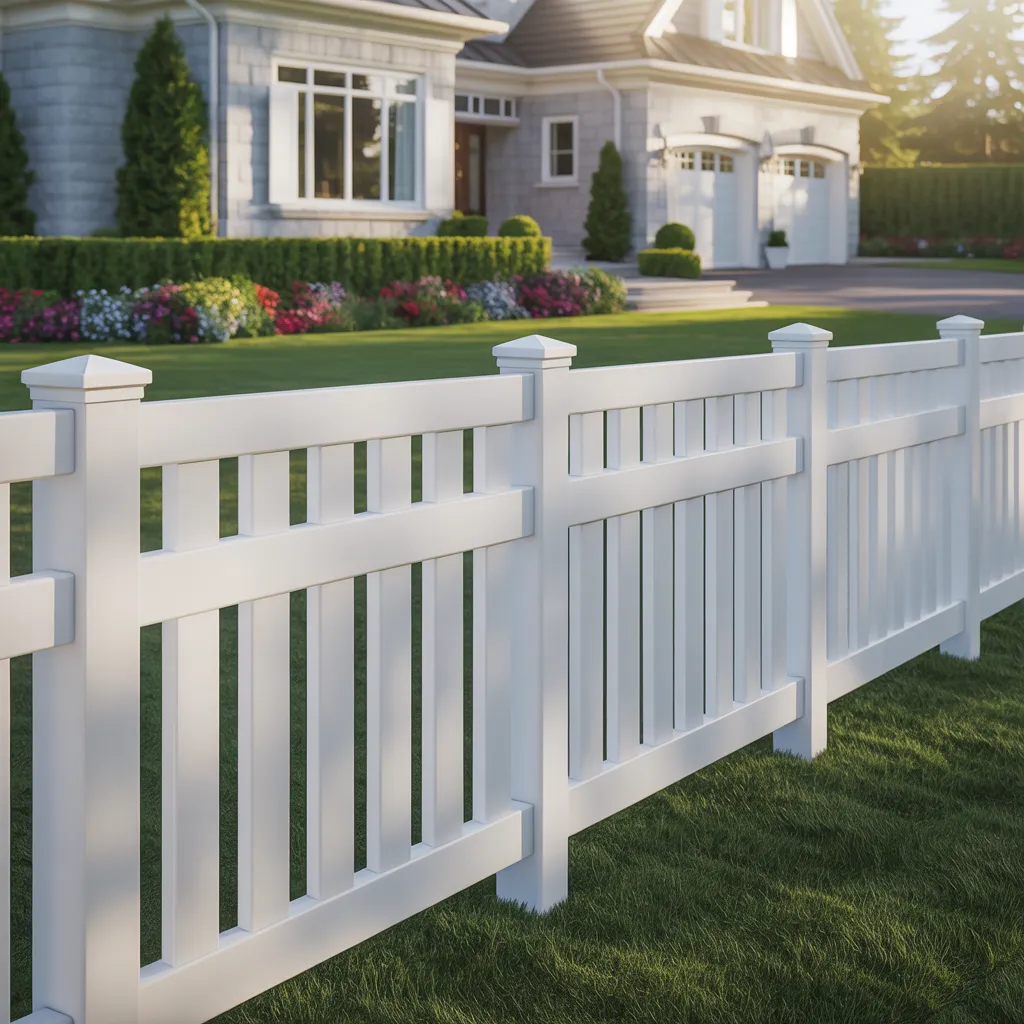
The Advantages of Professional Fence Installation
Though some homeowners may explore a DIY approach to fence installation, the benefits of working with professionals frequently outweigh the upfront expense. Skilled installers offer expertise that ensures the fence is constructed accurately and effectively. They utilize specialized equipment and tools, which lowers the chance of errors and boosts the overall quality. Furthermore, their expertise enables them to handle obstacles like uneven ground or local building codes, which can make DIY projects more difficult.
Additionally, working with specialists commonly delivers speedier project finishes, freeing homeowners from the burden of prolonged undertakings. Experts additionally supply assurances on their installations, providing reassurance about lasting performance and care. This protection reduces apprehension about future complications stemming from faulty workmanship. Ultimately, the key benefits of professional fencing services comprise skilled labor, schedule efficiency, and sustained structural integrity, rendering it a wise decision for numerous property owners.
What Is the Cost of Professional Installation?
The cost of professional fence installation can vary greatly according to various factors, including materials, labor, and site conditions. Comprehending these considerations is essential for property owners exploring this option. Moreover, considering the long-term benefits can aid in establishing whether the investment aligns with future needs and property enhancement.
Factors Influencing Installation Cost
Numerous factors determine the overall pricing of professional fence installation, making it necessary for residents to recognize the factors behind these costs. The choice of materials—such as metal, wood, or vinyl—has a considerable effect on the total expenditure. In addition, the height and length of the fence are important factors; helpful resource bigger installations tend to cost more. Labor expenses also differ based on the complexity of the installation and regional labor rates. Property conditions, such as terrain and accessibility, can further affect costs, as further preparation or equipment might be called for. Lastly, any required permits or inspections must be included in the budget, raising the total investment. Being aware of these factors helps homeowners make informed decisions about their upcoming fencing installations.
Long-Term Value Considerations
Recognizing the financial considerations associated with professional fence installation extends beyond the initial expenditures. While the initial fees may seem costlier in comparison to DIY alternatives, the long-term benefit frequently warrants the investment. Experts offer knowledge that secures proper installation, which can minimize the need for pricey maintenance and repairs over time. Furthermore, a expertly installed fence can improve home value and curb appeal, likely producing a favorable return when selling a home. The resilience of contractor-installed products frequently exceeds DIY options, limiting future replacement costs. Ultimately, working with a specialist can bring about substantial cost reductions and peace of mind, making the initial expenditure justifiable in the scope of lasting advantages.
Typical Difficulties with DIY Fence Projects
Beginning a DIY fence project can rapidly expose a host of unexpected challenges. Homeowners often underestimate the complexity of thorough preparation, including property line assessments and securing the required permits. Without a precise property survey, they run the risk of encroaching on neighboring properties or disregarding local zoning laws.
Additionally, selecting the right materials and equipment can be a difficult task. A lack of experience may lead to buying inadequate supplies or incorrectly estimating measurements, resulting in unexpected expenses and setbacks. It is essential to use proper installation techniques; misalignment or inadequate post depth can negatively impact the durability and effectiveness of the fence.
Additionally, a large number of DIYers are ill-equipped to foresee weather-related obstacles, which can cause significant delays. The physical requirements of the work, such as digging post holes or handling heavy materials, can also deter even the most motivated individuals. Such obstacles underscore the difficulties inherent in DIY fencing endeavors, inspiring many to reevaluate the advantages of enlisting expert assistance.
How Professionals Save You Time
When considering fence installation, professionals offer significant time savings in comparison to DIY approaches. Their expertise in organizing and completing projects ensures speedier outcomes and minimizes delays. This proficiency permits homeowners to benefit from their new fence without the prolonged delay commonly linked to self-installation.
Faster Project Completion
Bringing in professional installers accelerates the fence construction process considerably. Professionals come equipped with specialized tools and expertise, allowing them to complete projects more quickly than most DIY enthusiasts. While a homeowner might take days or even weeks to finish installation, skilled teams frequently wrap up the job in hours or days, according to the size of the project. Their familiarity with various materials and techniques enables them to overcome challenges efficiently, reducing setbacks. Furthermore, professional crews generally operate in a coordinated manner, splitting responsibilities to improve efficiency. This not only speeds up the installation but also reduces the likelihood of errors that could prolong the project. At the end of the day, employing professionals secures a timely finish, enabling homeowners to take advantage of their new fence more quickly.
Strategic Planning and Execution
Though many homeowners fail to recognize the value of comprehensive planning, skilled installers know that thorough preparation is critical to achieving a successful fence installation. Professionals start with a comprehensive evaluation of the property, taking into account elements such as landscape, ground composition, and municipal guidelines. This thorough methodology ensures that all required materials are secured and that the layout corresponds with the homeowner's expectations while complying with local regulations.
Moreover, experts employ cutting-edge methods and equipment, optimizing the installation workflow. Their expertise enables them to identify potential obstacles and handle them proactively, reducing delays. By managing timelines and coordinating labor effectively, professionals not only reduce time expenditure but also limit costly missteps that can arise from a lack of planning. Fundamentally, professional planning and implementation result in a seamless, more effective installation.
How Professionals Handle Local Regulations
Navigating local rules and regulations can be an intimidating task for property owners, but professionals excel in this area. Seasoned fence installation professionals have in-depth knowledge of zoning laws, building codes, and permit requirements specific to each locality. They remain informed about updates to regulations, ensuring regulatory compliance that homeowners attempting DIY projects might miss.
Furthermore, experts frequently maintain established relationships with local authorities, which can speed up the permit approval process. Such familiarity empowers them to handle any likely hurdles with ease, minimizing delays that could arise from misconceptions regarding municipal requirements.
Additionally, specialists can guide homeowners toward suitable materials and designs that align with local requirements, minimizing the risk of future fines or mandatory alterations. By drawing on their experience, experts simplify the installation process, shielding homeowners from the difficulties and complexities of regulatory compliance. Ultimately, hiring an expert not only guarantees adherence to legal standards but also enhances the overall efficiency of the project.
Why Expert Installation Ensures Quality and Longevity
Steering through local regulations is just one component of securing a successful fence installation; the standard of craftsmanship plays a significant role in the fence's lasting performance. Professionals bring a wealth of experience, utilizing techniques that ascertain proper stability, alignment, and depth of fence posts. Their proficiency reduces typical installation challenges, such as leaning or settling, which can undermine a fence's overall stability over time.
In addition, expert contractors use top-grade materials, recognizing the intricacies of diverse fence varieties and how they perform under outdoor elements. This insight helps prevent early deterioration and harm, increasing the service life of the fence structure.
Moreover, professional fencing installation commonly features proper finishing and protective techniques that enhance resistance to weather. By investing in skilled professional services, property owners can feel confident that their fence will not only meet appearance standards but also last for many years, offering peace of mind and minimizing the need for frequent repairs.
Lasting Benefits of Expert Fence Installation
Investing in professional fencing services offers significant long-term benefits that frequently surpasses upfront costs. Skilled professionals offer specialized knowledge, making certain the fence is properly installed, which decreases the risk of future repairs. A professionally installed fence is capable of handling environmental pressures, significantly prolonging its lifespan when measured against self-installation efforts that may compromise the fence's structural integrity.
In addition, engaging a professional installer commonly boosts the worth of your property. A professionally installed fence not only elevates the visual appeal but also strengthens street appeal, increasing the property's appeal to prospective buyers. This becomes especially significant in property markets where curb appeal plays a vital role.
In addition, skilled contractors commonly include guarantees, giving assurance that amateur installations generally do not offer. This safeguard against damage or defects can save homeowners unforeseen expenses in the future. All things considered, the long-term investment in certified installation work shows clear advantages, in financial terms and in relation to sustaining a property's overall condition and value.

Common Questions and Answers
Can I Put Up a Fence on My Own if I Have No Experience?
Absolutely, you can erect a fence without professional experience, but it may lead to issues and complications. Careful research, thorough planning, and patience are key, though working with a professional can ensure a more efficient and reliable result.
What Are the Essential Tools for DIY Fence Installation?
When installing a fence, essential tools include a level, post hole digger, measuring tape, saw, hammer, concrete mix, fence panels, and safety equipment. Having these tools ensures a correct installation while improving efficiency throughout the project.
How Do I Choose the Right Fence Material?
Picking the best fence material means evaluating durability, maintenance, aesthetics, and budget. Common options include wood, vinyl, metal, and composite. Examining each material's strengths and weaknesses enables an educated decision that meets specific needs.
What Maintenance Do Fences Require After Installation?
Fences require routine upkeep, including washing, examining for damage, and adding protective treatments. Wood fences are improved by sealing and staining, while metal fences may require rust treatment. Consistent upkeep prolongs lifespan and maintains appearance.
How Can I Ensure My Fence Is Level and Straight?
To guarantee a fence remains level and straight, one ought to use a long level or string line for guidance. Frequently check alignment throughout installation, adjusting posts as necessary to maintain consistency throughout the process.